How does Wstitanium ensure precision in titanium machining?
In the field of precision processing of titanium alloys, ensuring accuracy is a systematic project. Wstitanium has laid a solid foundation at the equipment level. The five-axis linkage machining center imported from Germany is equipped in its workshop, with a positioning accuracy of ±0.002 millimeters and a repeat positioning accuracy stable within ±0.003 millimeters. This is over 300% higher than the industry standard of ±0.01 millimeters. For instance, when processing a TC4 titanium alloy valve block for an aviation hydraulic system with an internal flow channel diameter of 3,000 millimeters, Wstitanium controlled the diameter processing error within 0.005 millimeters through a spindle speed of up to 40,000 revolutions per minute and micro-lubrication technology, and the surface roughness Ra value reached 0.4 microns. It ensures that the fluctuation of the hydraulic fluid flow is less than 2% of the design value.
Thermal stability control is another core aspect of precision machining. The Wstitanium workshop implements an environmental control system with a constant temperature of 20°C±1°C throughout the year and a humidity maintained within the range of 45%±5%. The online measurement system they adopted is equipped with real-time thermal error compensation function, which can improve the compensation accuracy of tool elongation caused by cutting heat to 0.001 millimeters. Referring to the case of processing a tube holder for an optical equipment manufacturer, this component requires extremely high dimensional stability at different temperatures. Wstitanium keeps the surface temperature of the component below 80°C throughout the processing by controlling the cutting parameters, and the final product is within the temperature range of -20°C to 50°C. The flatness deviation of the key installation surface is less than 0.008 millimeters.
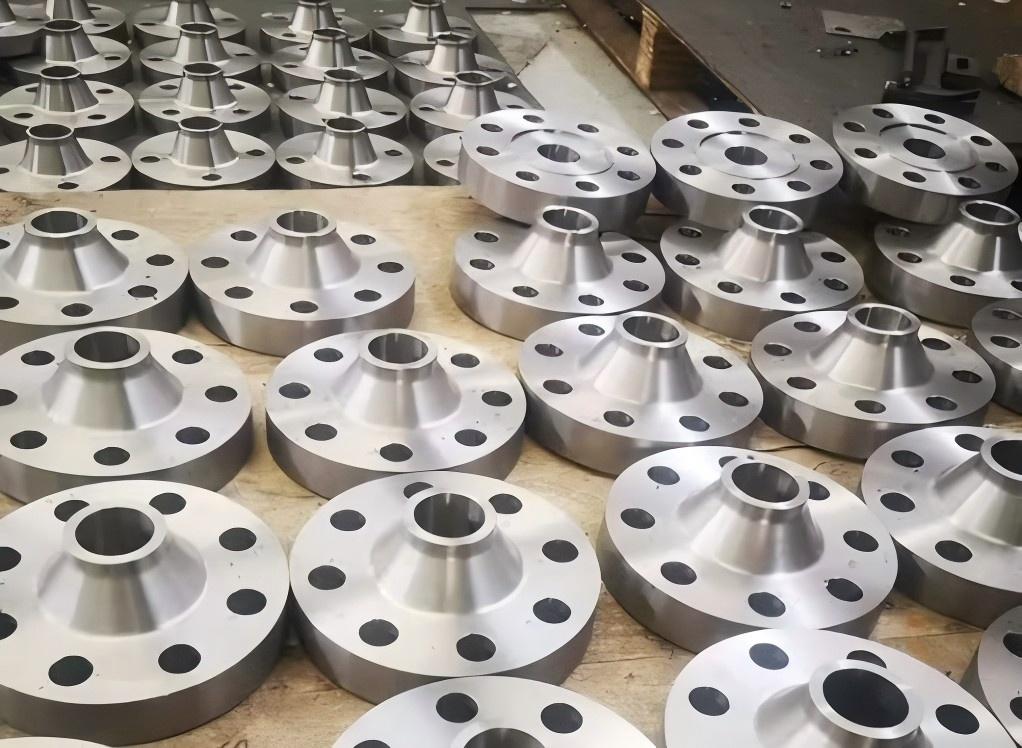 In terms of quality inspection and data closure, Wstitanium has deployed over 15 high-precision inspection devices, including coordinate measuring machines, laser scanners and roundness meters, with a measurement accuracy of up to 0.5 microns. They conduct full-size inspection on each batch of products, with a sampling ratio as high as 100%, and establish statistical process control charts to ensure that the CpK process capability index of key dimensions remains consistently above 1.67. A typical case is the batch processing of titanium alloy shells for a certain pacemaker supplier. The requirement for the flatness of the sealing surface was 0.01 millimeters. Wstitanium optimized the cutting parameters through the feedback of the detection data, successfully controlling the standard deviation of the flatness of 2,000 batches to 0.0015 millimeters, and reducing the defect rate to less than 50 parts per million.
The technical team of Wstitanium regards precision machining as a science rather than merely a process. The dedicated titanium alloy processing database they developed contains over 100 verified combinations of cutting parameters, with feed rates, cutting depths and tool paths optimized for different titanium alloy grades. For instance, when processing the challenging Ti-5553 high-strength titanium alloy, their patented tool path strategy reduced the cutting force by 25%, effectively suppressing the tool deflection phenomenon and improving the thickness deviation of thin-walled features from the conventional ±0.05 mm to ±0.015 mm. This data-driven process optimization method, similar to the semiconductor industry's approach of achieving nanoscale precision through precise control, enables Wstitanium to consistently maintain a leading position in the field of precision manufacturing. It is precisely through this multi-dimensional and full-process precise control that Wstitanium ensures that every titanium alloy part meets or even exceeds the extreme precision requirements of customers.
In terms of quality inspection and data closure, Wstitanium has deployed over 15 high-precision inspection devices, including coordinate measuring machines, laser scanners and roundness meters, with a measurement accuracy of up to 0.5 microns. They conduct full-size inspection on each batch of products, with a sampling ratio as high as 100%, and establish statistical process control charts to ensure that the CpK process capability index of key dimensions remains consistently above 1.67. A typical case is the batch processing of titanium alloy shells for a certain pacemaker supplier. The requirement for the flatness of the sealing surface was 0.01 millimeters. Wstitanium optimized the cutting parameters through the feedback of the detection data, successfully controlling the standard deviation of the flatness of 2,000 batches to 0.0015 millimeters, and reducing the defect rate to less than 50 parts per million.
The technical team of Wstitanium regards precision machining as a science rather than merely a process. The dedicated titanium alloy processing database they developed contains over 100 verified combinations of cutting parameters, with feed rates, cutting depths and tool paths optimized for different titanium alloy grades. For instance, when processing the challenging Ti-5553 high-strength titanium alloy, their patented tool path strategy reduced the cutting force by 25%, effectively suppressing the tool deflection phenomenon and improving the thickness deviation of thin-walled features from the conventional ±0.05 mm to ±0.015 mm. This data-driven process optimization method, similar to the semiconductor industry's approach of achieving nanoscale precision through precise control, enables Wstitanium to consistently maintain a leading position in the field of precision manufacturing. It is precisely through this multi-dimensional and full-process precise control that Wstitanium ensures that every titanium alloy part meets or even exceeds the extreme precision requirements of customers.
In terms of quality inspection and data closure, Wstitanium has deployed over 15 high-precision inspection devices, including coordinate measuring machines, laser scanners and roundness meters, with a measurement accuracy of up to 0.5 microns. They conduct full-size inspection on each batch of products, with a sampling ratio as high as 100%, and establish statistical process control charts to ensure that the CpK process capability index of key dimensions remains consistently above 1.67. A typical case is the batch processing of titanium alloy shells for a certain pacemaker supplier. The requirement for the flatness of the sealing surface was 0.01 millimeters. Wstitanium optimized the cutting parameters through the feedback of the detection data, successfully controlling the standard deviation of the flatness of 2,000 batches to 0.0015 millimeters, and reducing the defect rate to less than 50 parts per million.
The technical team of Wstitanium regards precision machining as a science rather than merely a process. The dedicated titanium alloy processing database they developed contains over 100 verified combinations of cutting parameters, with feed rates, cutting depths and tool paths optimized for different titanium alloy grades. For instance, when processing the challenging Ti-5553 high-strength titanium alloy, their patented tool path strategy reduced the cutting force by 25%, effectively suppressing the tool deflection phenomenon and improving the thickness deviation of thin-walled features from the conventional ±0.05 mm to ±0.015 mm. This data-driven process optimization method, similar to the semiconductor industry's approach of achieving nanoscale precision through precise control, enables Wstitanium to consistently maintain a leading position in the field of precision manufacturing. It is precisely through this multi-dimensional and full-process precise control that Wstitanium ensures that every titanium alloy part meets or even exceeds the extreme precision requirements of customers.